
Triangulation
Creative Problems and Creative Solutions

A few weeks ago Morgan Miller invited us to speak at his Documentary Animation class at Pratt. The talk was a bit of a ramble that landed on one particular film we did with StoryCorps, A Knock at the Door.
A student was working on a film about their parents’ immigrant experience. This film seemed like a compatible reference to discuss process.
Oftentimes a short film needs a “hook” or way in or a framing device. That can be structural, such as breaking it into acts with a series of similar but developing scenes that act as pillars. It can be cinematic, like building off a camera move. It can be a style hook or a reference (or lots of other things) like we did with this film.
Since this is a Halloween story -but a secret Halloween story, since that punchline gets revealed in the final act -a visual lead in was to reference Peanuts. We don’t want to mimic Schulz, we want to move in that direction.
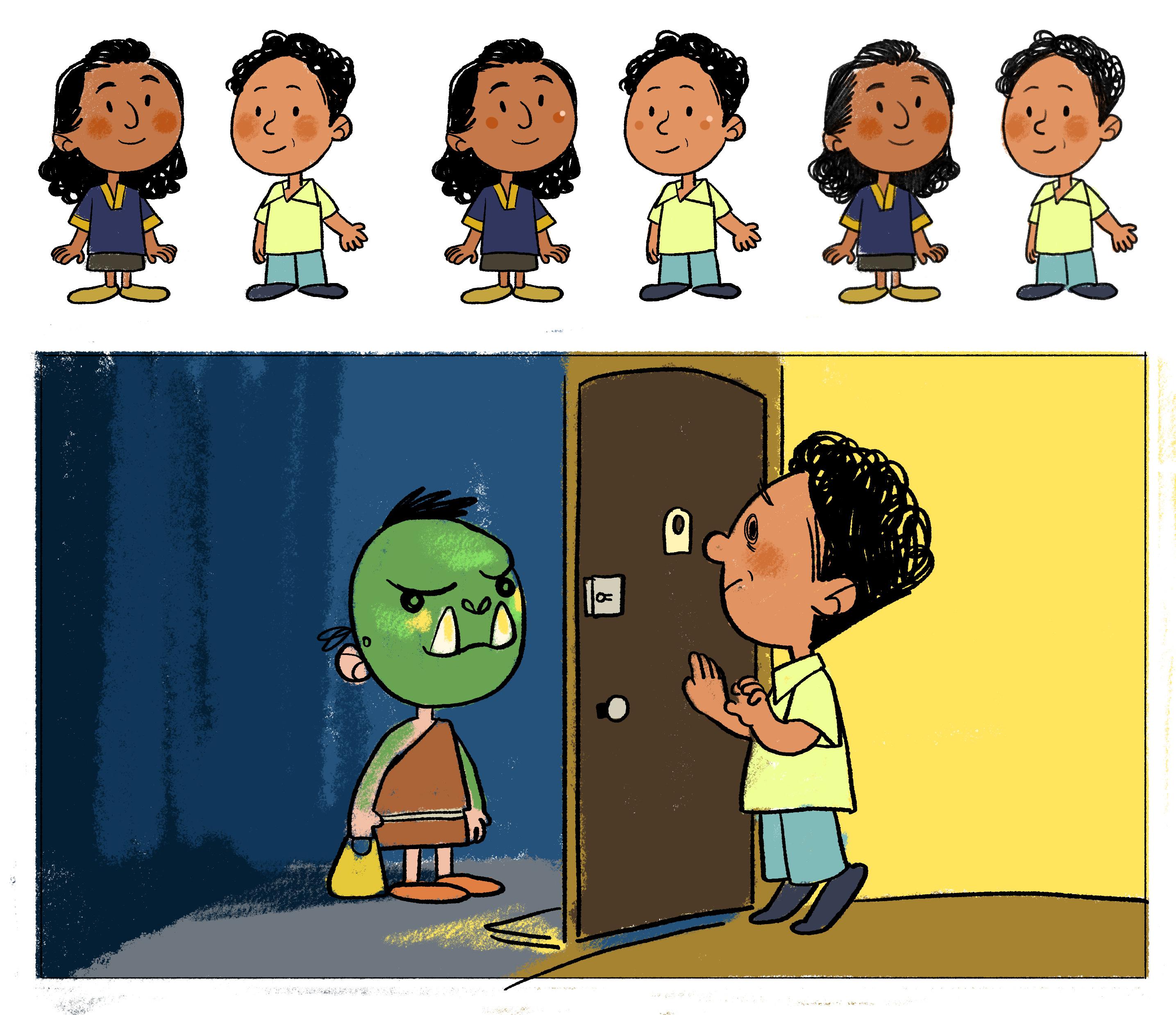
Similar construction, eye systems, posing but different line work and shape and coloring and rotations. And different motion capacity too.
We also wanted to build tension. Since the telephone plays a role in this story it made sense to swipe a few ideas from one of the greatest film sequences -the opening to Scream.
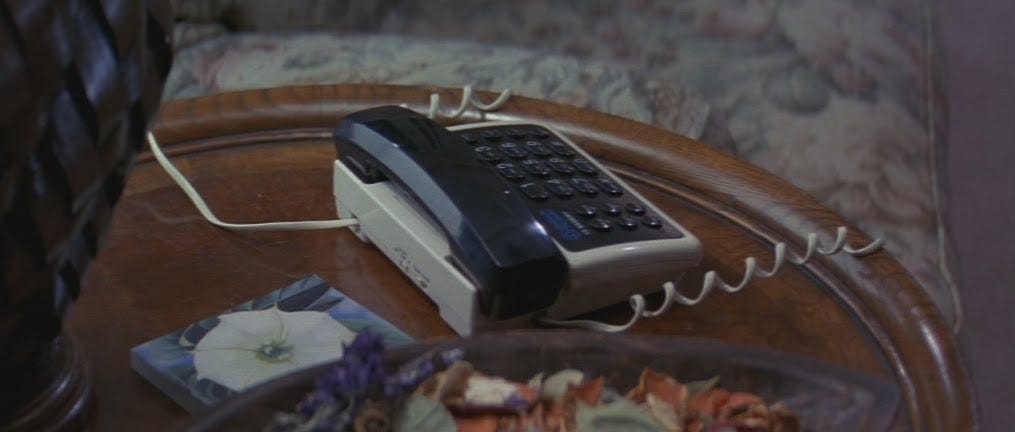
Scream (1996)
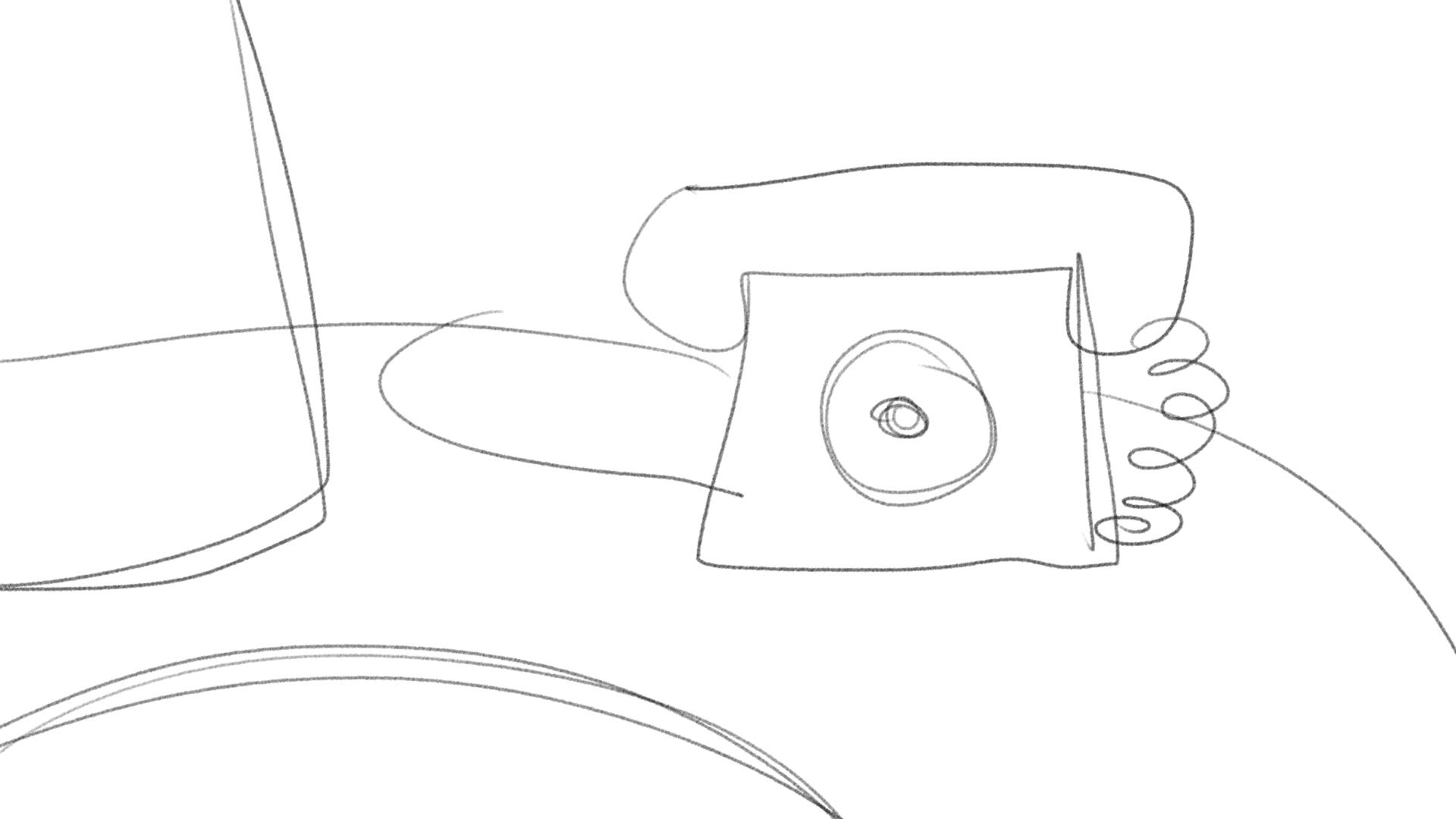
Storyboard
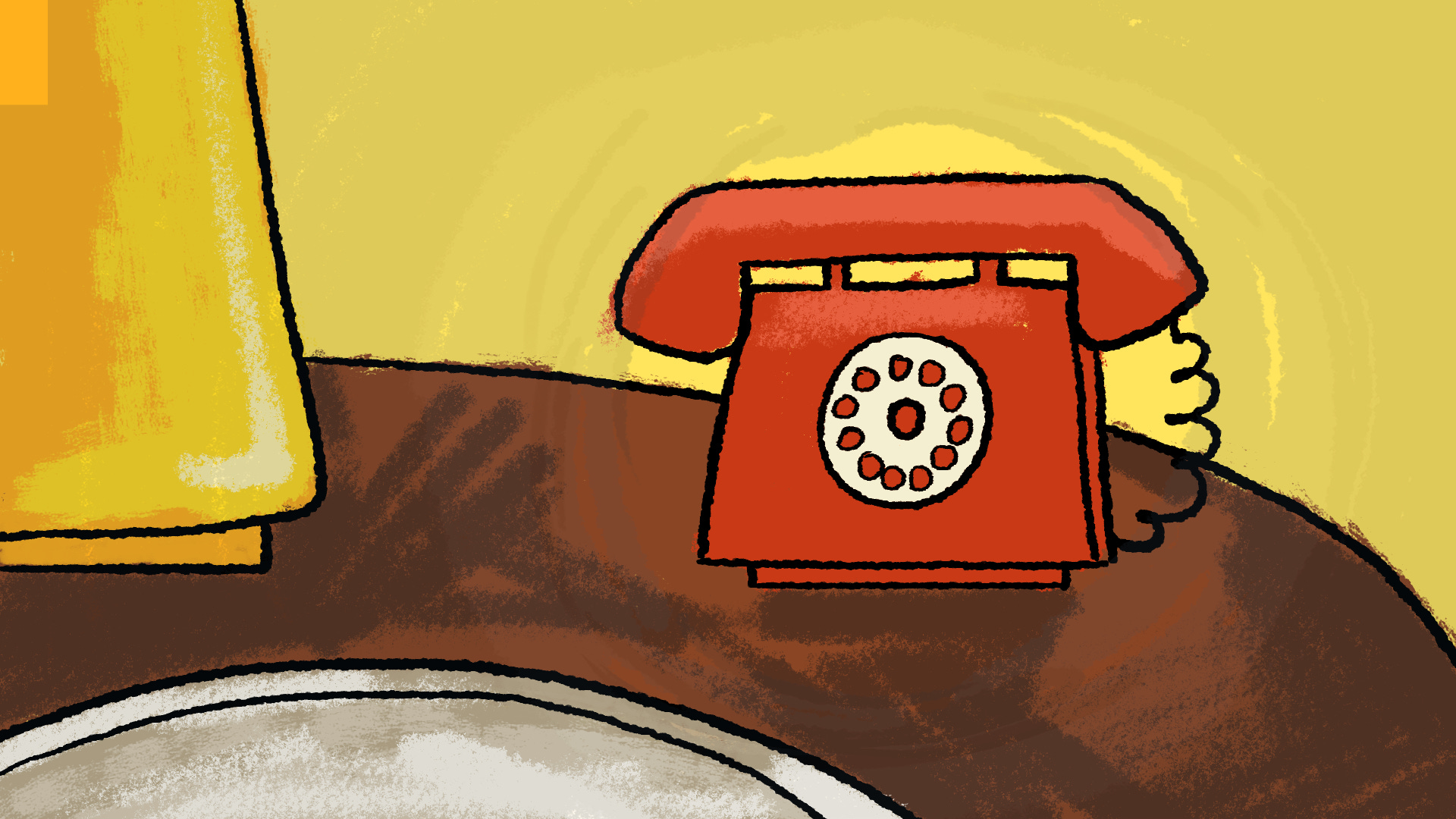
Color image
One of the many things that makes that sequence works is the diegetic ticking bomb that starts with the Jiffy Pop. There’s more than that, including the rhythm and variation of the phone shots, the set ups and answers in the edits, the establishing of point-of-view, et cetera. So we mimicked the JP too.
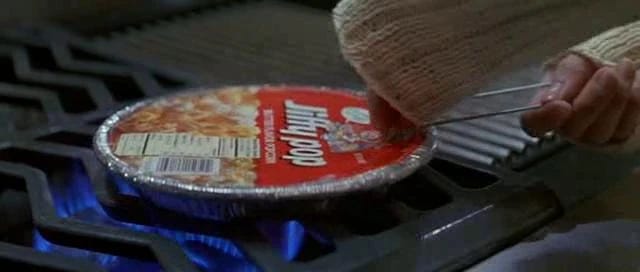
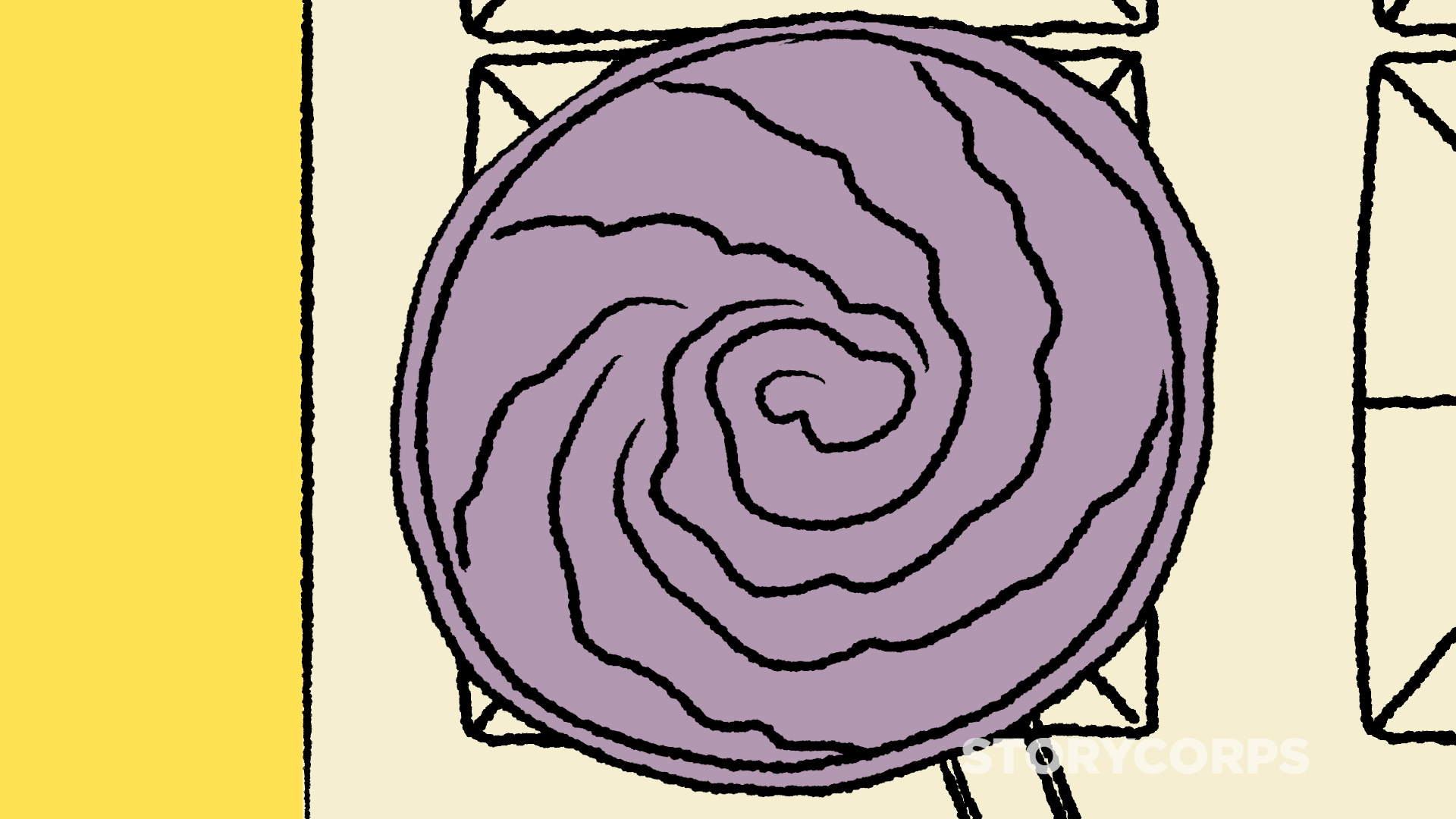
Mixing these two reference points against the participant’s narrative also gave us solutions to creative blocks. There was one scene that we were stuck visualizing. So we leaned on these inspirations and pulled an idea from the life of Charlie Brown.
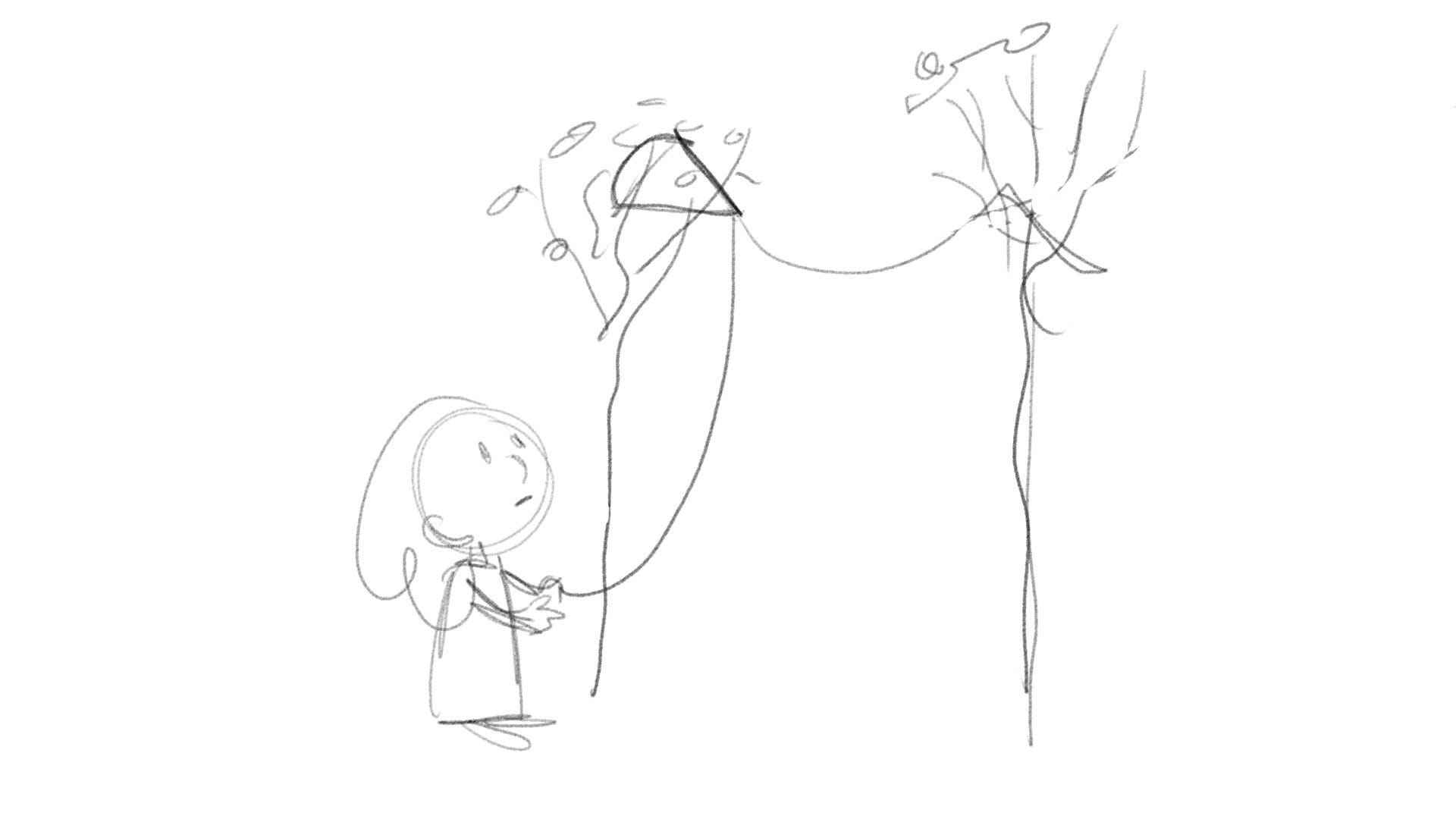
Storyboard: A Kite-Eating Tree
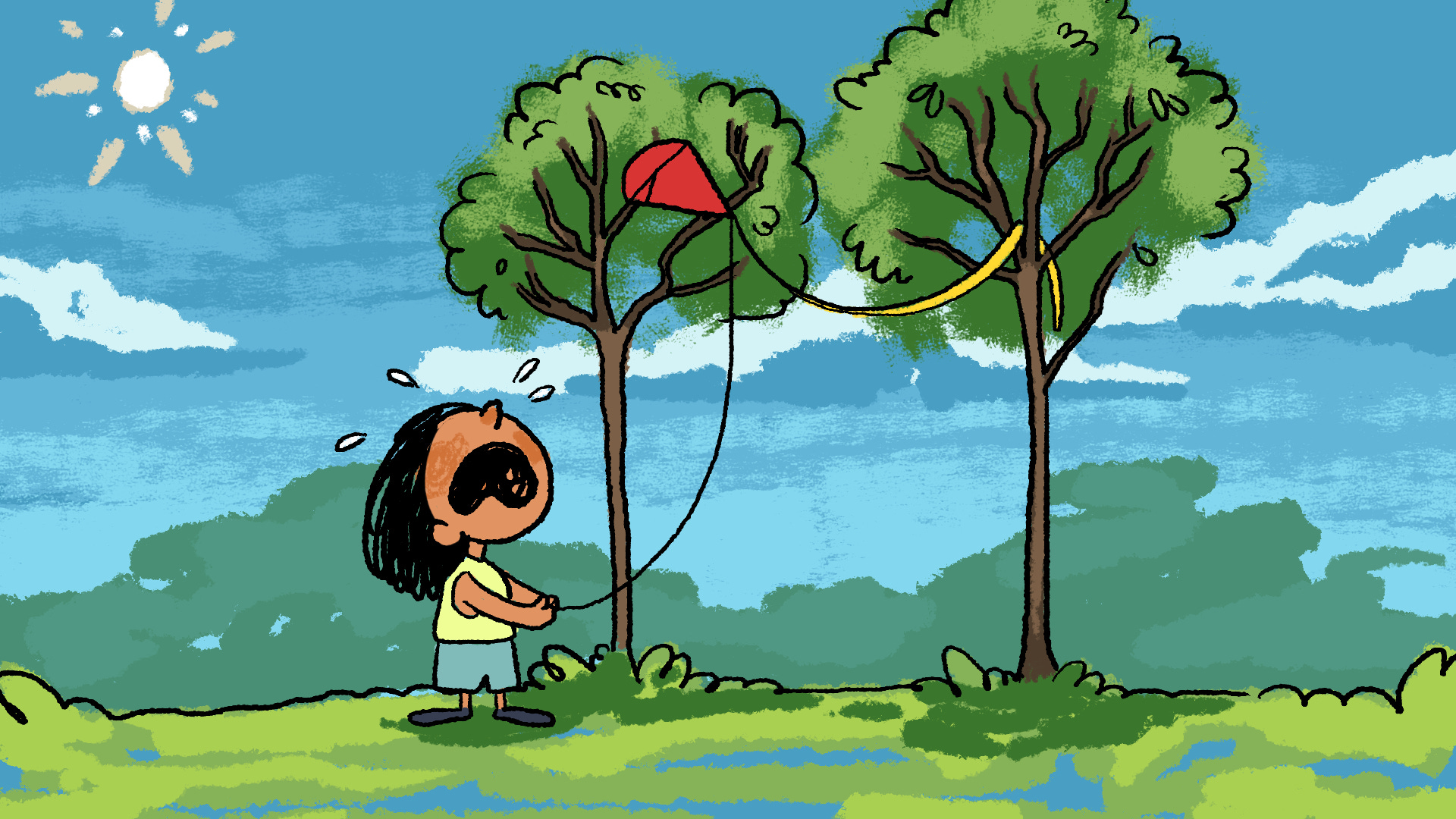
Color image with Schulz-inspired tears.
Problem-solving in short films can be a matter of triangulation, dialectics really. Identify two forces one can be Peanuts, the other can be Scream and the solution can be the point where they intersect or relate to one another. Like Augustine’s concept of the Trinity which inspired Hegel.
Even without the philosophizing, suppose that you run into a block. That’s an unknown. “I don’t know what this art will look like.” “I don’t know what this character should do.” “I don’t know how to stage this scene.” You do know some things. “It’s 1985 and it’s Brooklyn.” “They’re overworked and they’re scared.” “The phone is important and you want to build tension.” “Peanuts and Scream.” Whatever comes when you mix those two things can bring you a solution.